ERS Home guide
Is Ceramic Dinnerware Microwave and Oven Safe? What to Check Before You Heat
Not every ceramic plate or bowl is suitable for the microwave or oven. Here is how to check your dinnerware before you heat food on it, and what to avoid.
ERS Home7 min read
In this guide · 8 sections
- 01Why heat resistance varies between ceramic pieces
- 02Microwave safety: what to look for
- 03Oven safety: thermal shock and temperature limits
- 04A simple checklist before you heat
- 05Care that extends the life of your dinnerware
- 06Choosing pieces for everyday heating and for display
- 07Gifting ceramic dinnerware
- 08Ordering from the manufacturer
Ceramic dinnerware is one of the most practical choices for everyday meals. It looks good on the table, holds heat well, and suits both formal dinners and relaxed breakfasts. Yet a question comes up again and again from our customers: is ceramic microwave safe, and can you put it in the oven? The honest answer is that many ceramic pieces are, but not all of them, and the difference usually comes down to the glaze, the decoration and how the piece was made.
This article covers what to check before you heat food on any ceramic plate, bowl or cup. For a separate guide on glaze composition and whether a piece is safe for contact with food in general, please read our article on food-safe ceramics first. The points below concern heating specifically.
Why heat resistance varies between ceramic pieces
The word ceramic covers a wide range of materials. Stoneware, porcelain and earthenware are all fired clay, but they are fired at different temperatures and to different densities. A well-fired stoneware or porcelain body is dense and has low porosity, which means it handles temperature changes better than a soft, porous earthenware. The glaze is the glassy layer on the surface, and it has to expand and contract at a rate close to that of the body beneath it. If the two do not match, the glaze can craze, which means fine cracks appear across the surface, or in worse cases it can chip.
Because of this, heat resistance is not a property every ceramic plate shares. A piece that is perfectly safe in a 180 degree oven may be unsuitable in a microwave for reasons that have nothing to do with the heat itself.
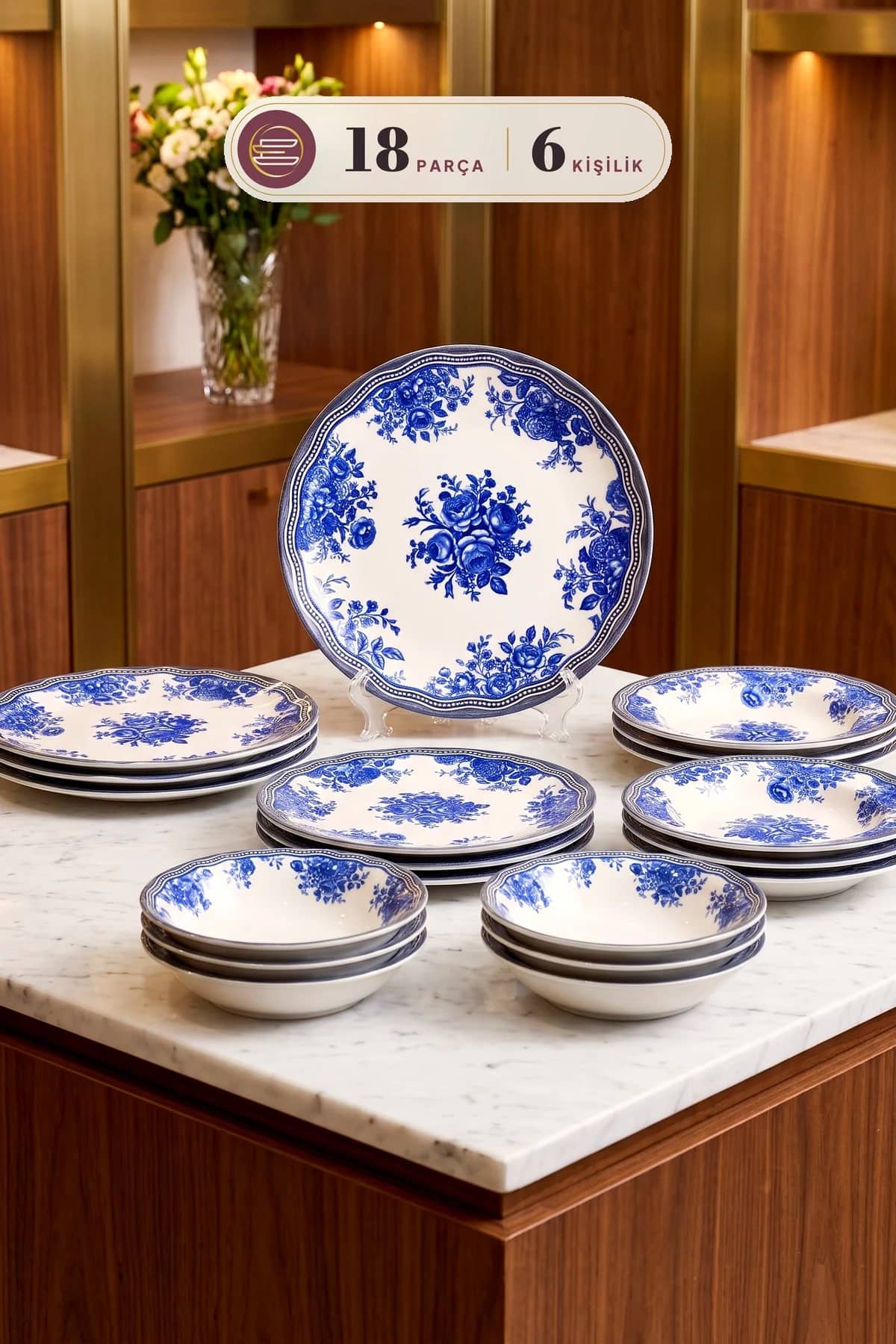
The set in the photo
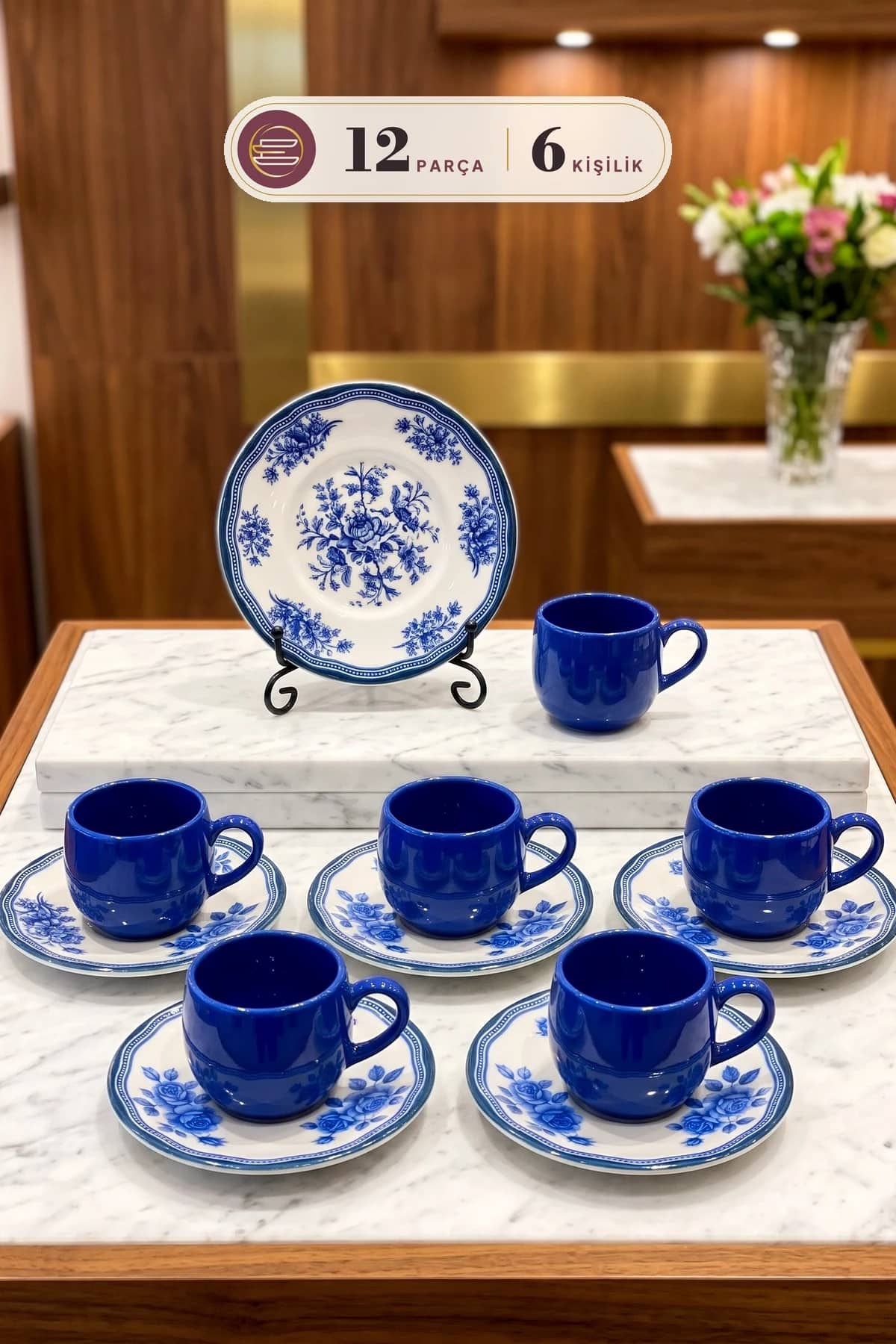
Blue Antique 18-Piece Dinnerware Set for 6
See the setMicrowave safety: what to look for
Microwaves heat food by agitating water molecules, and ceramic itself does not absorb microwave energy in the way metal reflects it. This is why most glazed ceramic dinnerware is microwave safe. There are, however, three things to check.
Metallic decoration
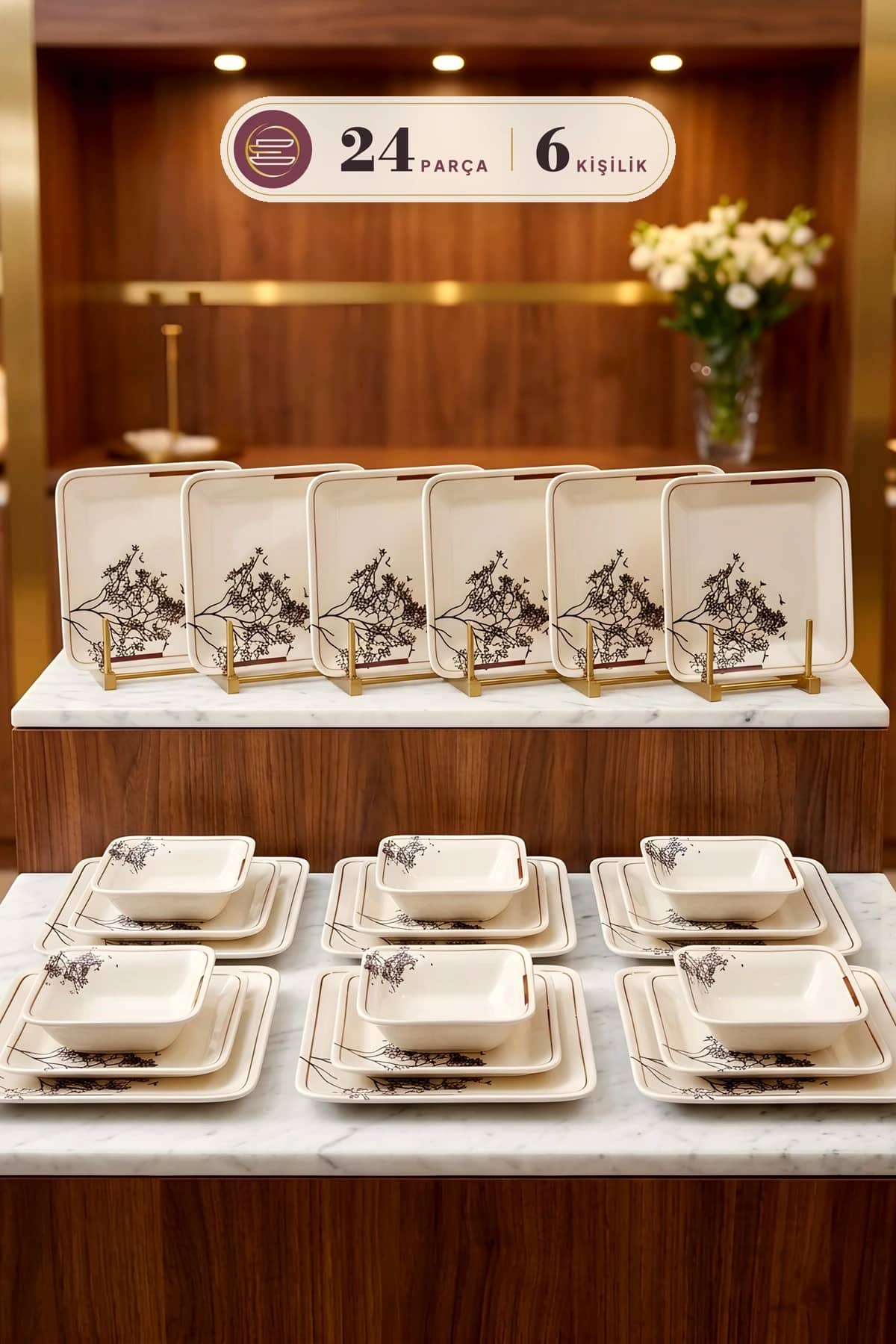
The most important warning concerns metallic decoration. Gold rims, silver lines, platinum edging and metallic lustres are applied to the surface and are made of real metal particles or metal compounds. These reflect microwaves and can cause sparking, arcing and damage to the appliance or the plate. Even a thin gold band can spark. Pieces with metallic decoration should be used for serving and presentation, not for reheating. Check the product description and, if in doubt, avoid heating the piece altogether.
Decoration in general
Some painted or hand-decorated designs use pigments that were chosen for appearance rather than for repeated heating. Water-based or underglaze decoration fired into the glaze is generally stable. Decoration sitting on top of the glaze, in enamels that have been fired at a lower temperature, can be less durable. If you notice that a design wears, fades or feels rough after a few cycles in the dishwasher or microwave, stop using that piece for heating.
Moisture and the body of the piece
A dense, well-fired body absorbs very little water. A soft or porous body can absorb moisture from food and heat up unevenly. For reheating, a dense stoneware or porcelain piece is the safer choice. Our dinnerware sets are made from bodies designed for everyday use, and they are both dishwasher and microwave safe, but we still recommend following the care steps below.
Oven safety: thermal shock and temperature limits
The oven raises a different risk. A ceramic plate heated in a conventional oven experiences a steady rise in temperature, and this is usually fine for good-quality pieces. The real danger in both ovens and kitchens is thermal shock. This happens when a piece goes through a sudden change in temperature, such as a plate taken straight from a hot oven and placed on a cold marble worktop, or a cold dish filled with boiling liquid. The rapid difference between the surface and the centre of the piece can cause cracking.
To avoid thermal shock, follow these habits:
- Let the dish warm up gradually. Place a cold dish in a cold oven and bring the temperature up together, rather than inserting a cold dish into a very hot oven.
- Avoid moving a hot piece directly onto a cold or wet surface. Use a trivet, folded towel or wooden board.
- Do not pour cold liquid into a hot dish, or the reverse.
- Do not use dinnerware under the grill or on a direct flame unless the manufacturer specifies it is suitable.
- Respect the maximum temperature for the piece. Check the product information for the recommended limit before placing it in the oven, and stay within it.
If a piece has any existing chip, crack or crazing in the glaze, do not put it in the oven or microwave. Moisture and heat can make small defects grow.
A simple checklist before you heat
Before you put any ceramic piece in the microwave or oven, run through this short list:
- Does the piece have metallic decoration such as gold, silver or platinum? If yes, do not microwave it.
- Is the glaze intact, with no cracks, chips or crazing?
- Is the piece labelled or described as suitable for microwave or oven use?
- Is it a dense stoneware or porcelain body rather than a soft earthenware?
- Am I avoiding sudden temperature changes?
- Am I staying within the recommended temperature limit?
If you cannot answer yes to the relevant questions, use the piece for serving and choose another for heating.
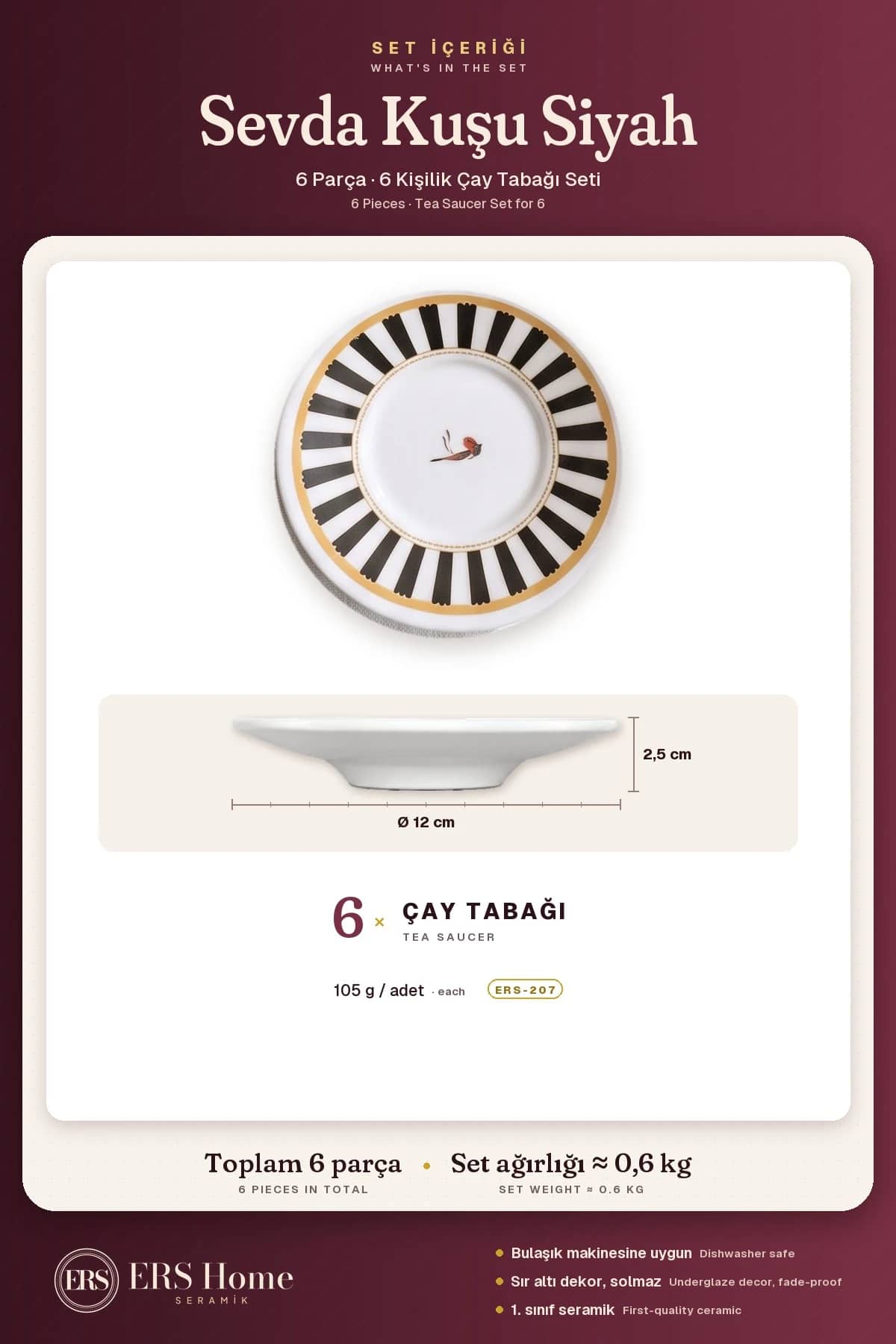
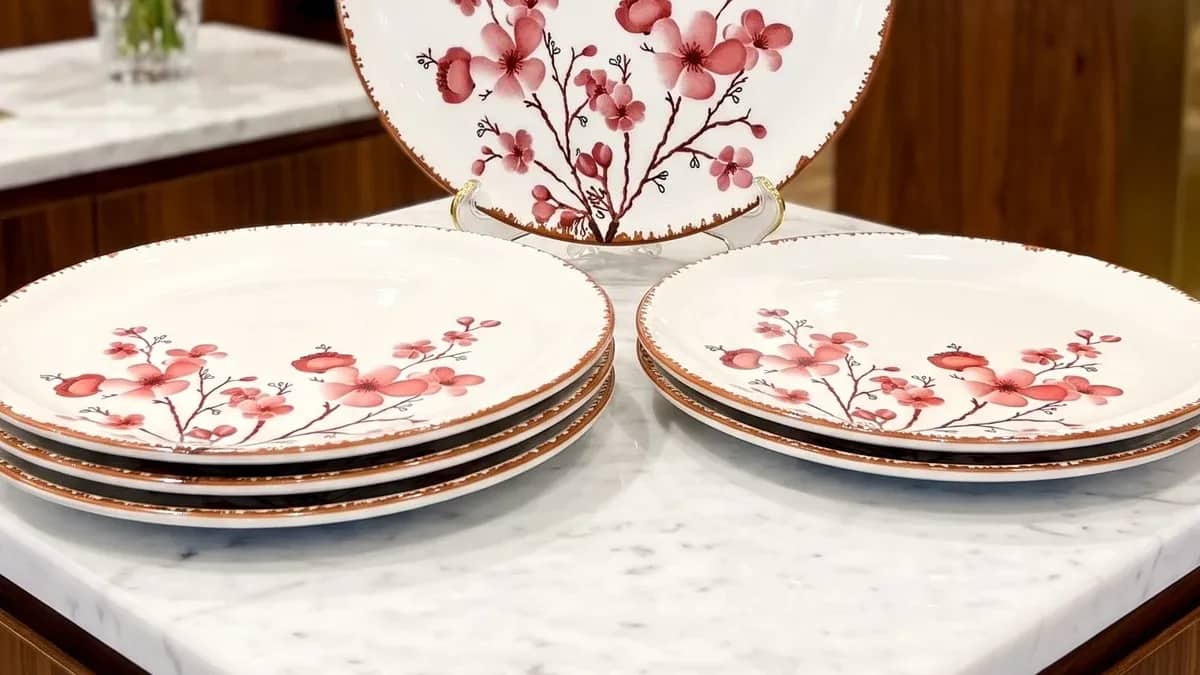
Pattern up close
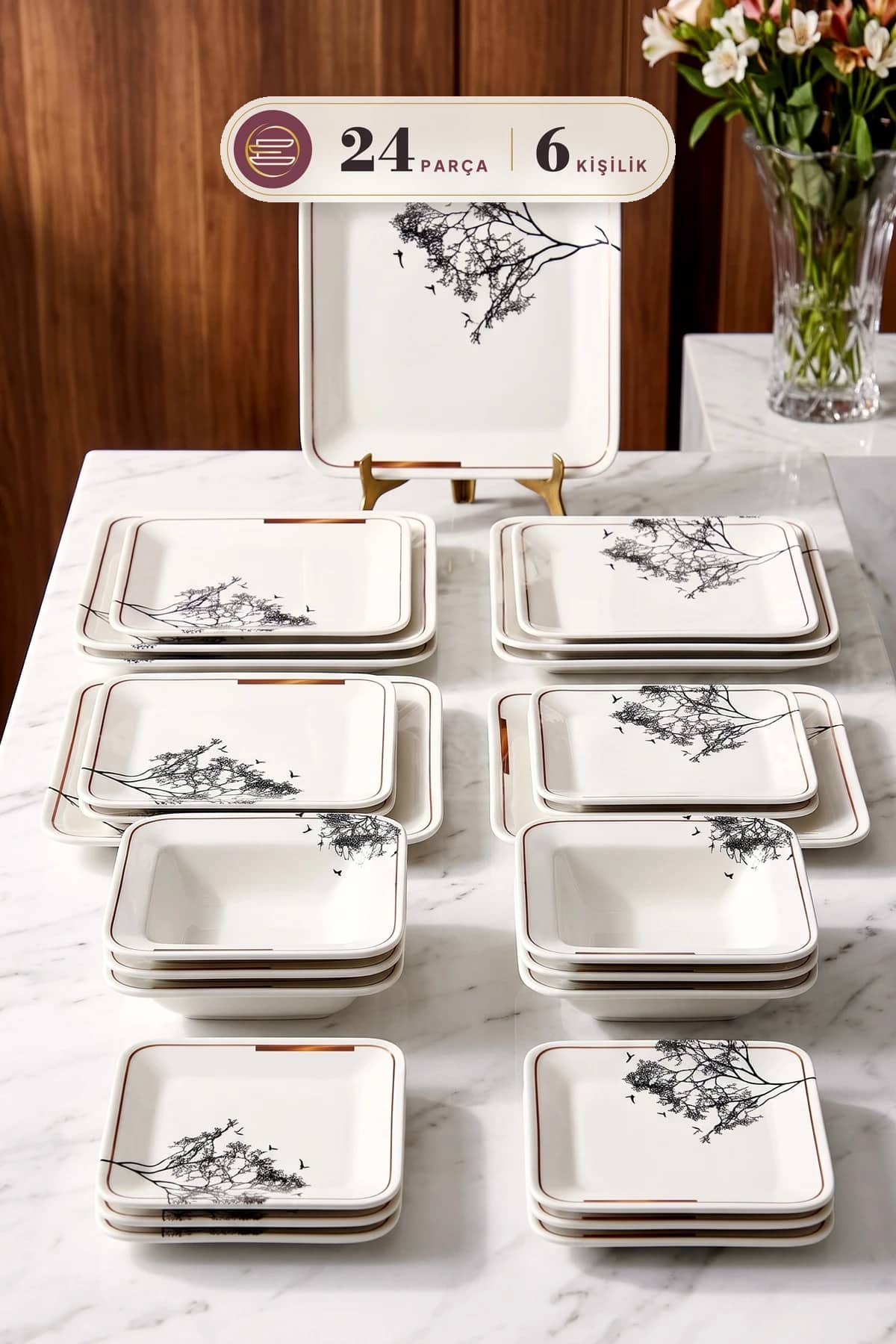
Love Bird Black Set of 6 Tea Saucers
See the setCare that extends the life of your dinnerware
Heat resistance is only one part of keeping ceramic in good condition. Regular care helps the glaze and decoration last. Wash pieces after use, and use a dishwasher on a programme suitable for the set. Avoid abrasive scourers on glazed surfaces, and do not stack pieces without a protective layer if the rims or foot rings are delicate. Dry the pieces fully before putting them away, particularly the foot rings, to avoid marks on shelves.
For a full picture of how the pieces are built and finished, you can read more about the production process on our site. We manufacture in our own factory in Istanbul, and we use glazes that are formulated for contact with food. Our factory is known in the trade as ERS Erbaşlar Seramik, and the pieces you buy from ERS Home come directly from that production, without a middleman in between.
Choosing pieces for everyday heating and for display
A practical approach many households use is to divide their collection. Keep one or two plain, dense pieces for reheating and daily meals, and reserve decorated or metallic-rimmed pieces for serving, dinner parties and special occasions. This way you enjoy the decoration without worrying about it, and you keep your everyday dishes working well for years.
For breakfast, our breakfast sets are sized for morning use: a plate, a bowl and a cup that work well with toast, eggs and porridge. For larger meals, the dinnerware sets include dinner plates, side plates and bowls in matching place settings. If you serve soups, sauces or desserts, our serving and cake sets offer platters and bowls that suit being brought from the kitchen to the table.
When you buy a full set, check the piece sizes and the number of place settings before ordering. A standard place setting usually includes a dinner plate, a side plate, a bowl and a cup and saucer. Measure your dining table and your cupboard space before you choose, so the set fits both.
Gifting ceramic dinnerware
Ceramic makes a thoughtful gift for housewarmings, weddings and milestone birthdays. If you are choosing for someone who likes to cook, a set with clear heat-safety information is especially useful. Our coffee and tea sets are a good option for a smaller gift, and they pair well with a matching serving piece. Browse our full range on the products page, and if you are buying in quantity for a hotel, restaurant or shop, our wholesale information explains how we work with trade customers.
Ordering from the manufacturer
We sell directly to customers worldwide, which means you buy from the people who make the pieces. Shipping costs are shown at checkout, and import duties and taxes are paid by the recipient according to the rules of their country. Please check the local rules where you live before you order, since these vary.
Whether you are choosing a set for daily meals or a serving piece for guests, check the heat-safety points above, follow the care steps, and you will get years of use from your ceramic dinnerware.
Products in this guide